In just over a week, Skandinavia by RAVNIR has become one of the most-watched new Viking music videos on YouTube, passing a million views shortly after its release at the end of October 2026. It is a short, punchy track, under two and a half minutes long, that mixes war drums and dark folk atmosphere with modern electronic production. Here is a closer look at what the song is built from, what its title really refers to, and why this style of Viking music is spreading so quickly.
A title older than the Vikings themselves
The word “Scandinavia” feels timeless, but its history is surprising. The Vikings did not use it to describe their homeland. The earliest written form comes from the Roman author Pliny the Elder, whose encyclopaedia Natural History, written in the first century AD, mentions a large northern land he called Scatinavia, which Roman writers believed was an island. Over the centuries the name changed shape and eventually came to mean the region we know today: Norway, Sweden and Denmark, often stretched to include Iceland, the Faroe Islands and Finland in everyday speech.
RAVNIR’s spelling, Skandinavia with a K, matches how the word is written in Norwegian and Danish. Using it as the title of a battle anthem turns a geographical name into something closer to a rallying cry: not a single tribe or kingdom, but the whole North as one identity.
The sound: war drums meet electronic production
RAVNIR describes its own music as a fusion of cinematic Viking music, tribal percussion, dark folk atmosphere and modern electronic soundscapes, and Skandinavia fits that description closely. The main ingredients are:
- Heavy war drums that drive the track from start to finish and give it a marching, stomping rhythm.
- Chant-style vocals designed to be shouted along to rather than sung softly.
- Electronic bass and production that make the track hit harder on headphones and speakers than traditional folk recordings.
- Dark, cinematic atmosphere in the background, with drones and textures that suggest cold landscapes and open sea.
This blend sits in the same space as artists such as Danheim, who helped popularise electronic Viking music in the late 2010s, and it is quite different from the acoustic, reconstruction-focused approach of projects like Wardruna. Where traditional Nordic folk asks you to slow down and listen, Skandinavia is built for movement.
Why a short song works so well
At around two and a half minutes, Skandinavia is short by any standard, and that is a deliberate strength. Short tracks with an early, repeatable hook travel well on YouTube Shorts, TikTok and Instagram Reels, where most listeners first discover new Viking music today. A clip of fifteen seconds can carry the whole idea of the song: the drums, the chant and the sense of a warband on the move.
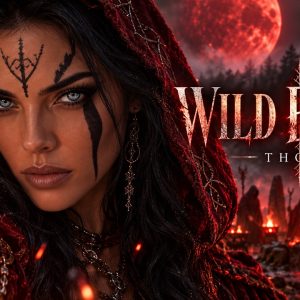
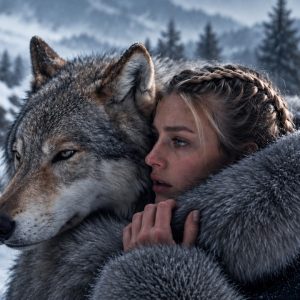
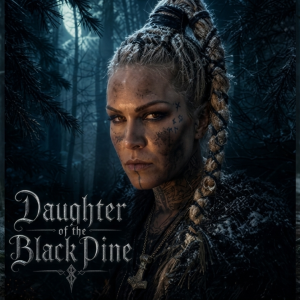
The music video follows the same logic. Its imagery of Viking warriors, fire and northern landscapes is designed to be striking within the first few seconds, so the song works whether people watch the full video or only a fragment of it in their feed.
AI tools in the new wave of Viking music
The video’s description includes a hashtag for Higgsfield AI, a generative video tool, which indicates that AI was used in creating the visuals. RAVNIR is far from alone in this. A growing number of online-first Viking and Nordic folk channels use AI tools for imagery, and in some cases for audio as well. The results can be visually impressive, but it is worth knowing when you watch: the warriors and landscapes in videos like this are often generated rather than filmed.
Opinions on this trend are divided. Supporters say it lets small projects produce cinematic visuals that would otherwise need a film crew. Critics worry about transparency and about AI content crowding out musicians who perform and record traditionally. Either way, it has become a defining feature of the current Viking music boom on YouTube.
About RAVNIR
RAVNIR is a YouTube-first Viking music project that presents its work as epic Viking songs, Nordic war drums, ancient chants and modern electronic soundscapes inspired by Norse mythology. Its music is available on Spotify, and the project publishes song lyrics on its official website for fans who want to sing along. RAVNIR has also appeared alongside the dark Nordic folk project YRVANA, including on the collaboration SLÅ. The name itself echoes the Old Norse word for raven, hrafn, the bird most closely linked to Odin.
Final thoughts
Skandinavia does not try to be historically accurate, and it does not need to. It takes an old name for the North, sets it to war drums and electronic bass, and turns it into a short anthem made for the way people discover music today. If you like Danheim-style electronic Viking music, it is well worth a listen.
What does the word Scandinavia mean to you: a place, a history or an identity? Share your thoughts in the comments.